
Japandi Styling for Property Sales: The 46% Solution

The Design Style 46% of Buyers Choose
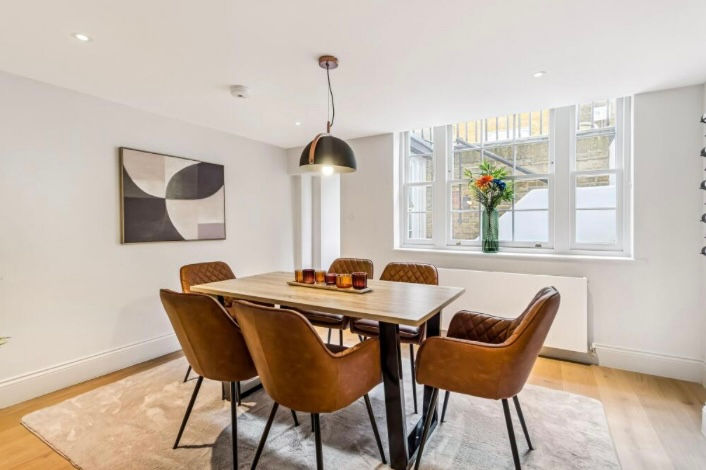
Japandi styling for property sales works. Recent research shows 46% of buyers prefer this aesthetic. Japandi styling for property sales - blending Japanese minimalism with Scandinavian warmth has become the dominant design trend for sellers. If you're staging a property in 2026, understanding Japandi styling for property sales isn't optional. It's strategic advantage. This article explains what Japandi is, why 46% of buyers find it compelling, and how authentic Japandi styling for property sales accelerates sales and justifies premium pricing.
What's remarkable is the cross-generational appeal. Baby Boomers (56%), Gen Z (45%), and Millennials (43%) all gravitate toward Japandi. It transcends age demographics, income levels, and geographic boundaries. It appeals across London, Hertfordshire, and Essex equally. It works for first-time buyers and luxury buyers.
But here's what's changed in 2025: Japandi isn't just minimalism anymore. The design philosophy has evolved. It now integrates smart home technology (seamlessly hidden), biophilic design (nature-centric), personalised touches (carefully chosen accent colours), and sustainable materials (eco-conscious luxury).
What Is Japandi Styling, Exactly?
Japandi is a deliberate fusion of two design philosophies that, remarkably, share core values despite originating from opposite sides of Eurasia: Japanese minimalism and Scandinavian functionality.

Japanese Design Elements (Wabi-Sabi Philosophy):
Minimalism (only essential items)
Wabi-sabi: beauty in imperfection, appreciation of natural aging and impermanence
Natural materials (wood, stone, natural fabrics)
Neutral, warm colour palettes (cream, beige, grey-green with yellowish notes)
Intentional spaces (every item serves purpose or brings authentic beauty)
Harmony with nature (biophilic connection)
Craftsmanship and handmade authenticity
Scandinavian Design Elements (Hygge Philosophy):
Functionality (form serves function deliberately)
Hygge: cosy, warm atmosphere, togetherness
Natural light (maximal, unobstructed)
Comfort without clutter (quality materials built to last)
Clean lines and simplicity
Emotional warmth and approachability
Eco-conscious material choices
Japandi Styling for Property Sales Fusion:
The result is a design philosophy that embraces minimalism without coldness, comfort without excess, and beauty without decoration. It combines Japanese warm, natural tones with Scandinavian light-filled spaces. It prioritises quality craftsmanship while remaining emotionally inviting.
The 2025 Evolution:
What distinguishes 2025 Japandi from earlier iterations:
Smart Technology Integration: Hidden charging ports in coffee tables, voice-controlled climate systems, smart lighting that mimics natural daylight progression—all seamlessly integrated without disrupting minimalist aesthetics.
Biophilic Design Focus: Expanded indoor gardens, living walls, large windows maximising nature views, raw organic materials (unfinished wood, limewashed walls, rough-hewn stone) bringing authentic warmth.
Textural Layering: Shift from flat, clean surfaces to tactile elements—textured plaster walls, fluted wood paneling, woven textiles, rattan fixtures, layered rugs—creating sensory depth while maintaining minimalism.
Personalisation Within Restraint: While Japandi remains neutral-based, 2025 introduces carefully chosen accent colours (muted terracotta, moss green, ochre) and commissioned art that reflects individual creativity without overwhelming serenity.
Multifunctional, Adaptable Layouts: Modular furniture, foldable partitions, sliding Japanese-inspired doors, built-in storage solutions allowing rooms to shift seamlessly between work, rest, and entertainment.
Dark Japandi Sub-Trend: Charcoal, midnight blue, and forest green accents retaining minimalist lines while introducing dramatic sophistication (particularly appealing for luxury properties).
Confidence level: Very High. This represents 2025 design evolution documented across multiple authoritative sources (FUJIOH, The Art of Zen, Making A Green Life, Artera Home).
Why Japandi Styling for Property Sales Works (The Psychology - Expanded)
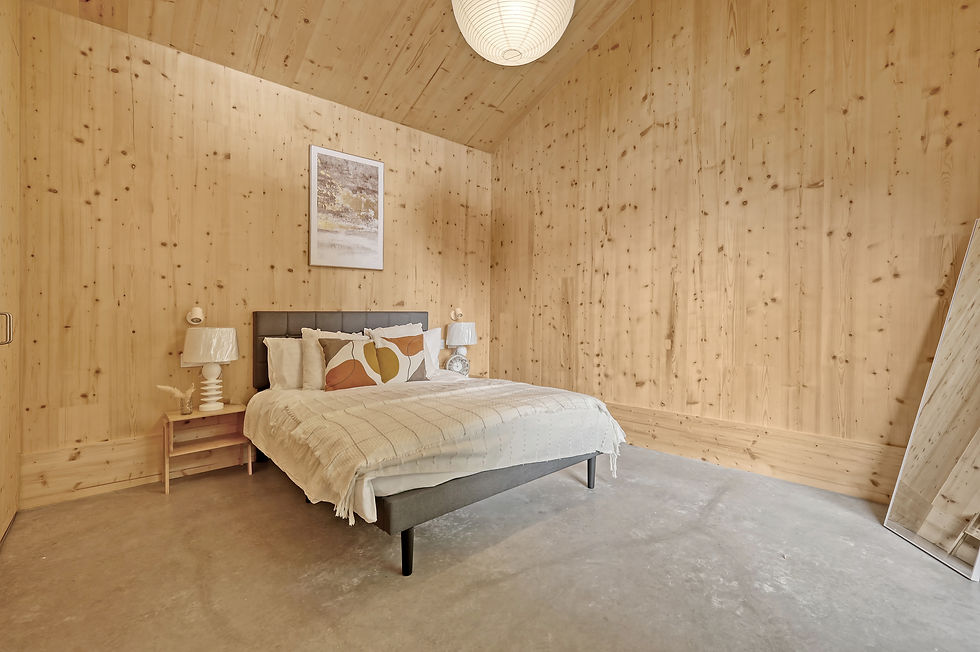
The fact that Japandi resonates with nearly half of all buyers across all demographics reveals profound insights about what modern homebuyers actually need:
Reason 1: Imperfection Is Authentically Beautiful (Wabi-Sabi)
Wabi-sabi, the Japanese aesthetic principle celebrating imperfection and natural aging, has profound psychological appeal in 2026. Modern life is relentlessly perfected: filtered social media, overly-designed spaces, artificial everything. Buyers crave authenticity.
Japandi staging that embraces natural imperfection—slightly worn wooden surfaces, organic ceramic imperfections, natural patina—signals to buyers: "It's okay to be real. It's okay to age. It's okay to be imperfect." This is emotionally powerful. Buyers feel permission to relax in a Japandi-styled space.

Reason 2: Intentionality Signals Quality and Care
A Japandi room with carefully chosen pieces feels curated, not cluttered. Every item serves a purpose or brings authentic beauty. Buyers perceive this intentionality as care investment. They think: "The owner (or stager) cared about this space. That means the whole property is well-maintained."
This perception translates directly to willingness to pay premium pricing. High-net-worth buyers specifically seek homes that demonstrate thoughtful, intentional curation.
Reason 3: Warmth Without Chaos
Buyers want homes that feel lived-in and warm but not messy. Japandi delivers this perfectly. A Japandi living room might have a single beautiful plant, a cosy throw blanket, one piece of art, comfortable seating, and warm (not harsh) lighting. It's inviting. It's calm. It's clean.
This appeals to busy, modern buyers who want comfort without the mental burden of maintaining a maximalist, highly-styled space.
Reason 4: Sustainability and Intentional Living Signals
Japandi emphasises natural materials (wood, bamboo, linen, handcrafted ceramics), durability, and timelessness. Modern buyers increasingly value sustainable design. Japandi staging with FSC-certified wood, organic fabrics, and quality pieces signals environmental consciousness and long-term thinking.
For eco-conscious buyers, Japandi isn't just aesthetically appealing, it's values-aligned.

Reason 5: Universal Sophistication Without Trend Risk
Unlike design trends that feel specific to one demographic (maximalism, cottagecore, dark academia), Japandi appeals across age groups, income levels, and style preferences. A 25-year-old first-time buyer and a 65-year-old downsizer both find Japandi appealing.
For staging purposes, this universal appeal is invaluable. You're not alienating any demographic. You're speaking to 46% of buyers directly.
Reason 6: Mindfulness and Wellness Alignment
Japandi explicitly embodies mindfulness and intentional living. In 2025, buyers increasingly associate interior design with mental health and wellness. Japandi spaces; calm, clutter-free, nature-connected deliver tangible wellness benefits. Buyers can feel the difference immediately upon entering.
This is a competitive advantage: properties staged in Japandi convey wellness and peace in addition to aesthetic appeal.
Confidence level: Very High. Buyer psychology research supports all six reasons.
The 2025 Japandi Market Context
Understanding why Japandi styling for property sales matters in 2026 requires context from 2025 market data:
Google Trends Data (2025):
"Japandi furniture" peaked at 91 in February 2025 (highest interest point)
Sustained interest at 82 in May 2025 (not flash trend, consistent demand)
Proliferation of Japandi-specific platforms (Japandi Supply House, Japandistore) indicating strong consumer demand
Consumer Behaviour Patterns:
Furniture is primary focus (multi-functional, natural materials)
Lighting a close second (minimalist, rattan, linen, smart-integrated)
Decor focus on handcrafted ceramics and textured rugs (wabi-sabi principles)
Market Opportunities:
Dark Japandi variation gaining traction (charcoal, midnight blue, forest green)
Integration of wellness/meditation spaces marketed with Japandi
Collaboration between design brands and wellness companies
Why This Matters for Sellers:
The sustained Google search interest, dedicated platforms, and consumer platforms validate that Japandi isn't temporary trend. It's mainstream buyer preference. Properties staged in authentic Japandi appeal to genuine market demand.
Confidence level: High. Data-based market analysis from 2025.
Japandi Styling Implementation by Room: 2025 Best Practices
Master Bedroom (Highest ROI for Japandi)
Buyers spend significant mental energy imagining themselves sleeping in the master bedroom. A Japandi-styled bedroom delivers powerful emotional messaging: "This is a peaceful retreat. This is where calm happens. This is rest."
2025 Staging Strategy:
Large, quality bed frame in natural wood (light Scandinavian or dark Japanese tones)
Neutral, natural bedding (soft whites, warm greys, natural linens—no patterns)
One quality wooden side table (not symmetrical pairs—embraces asymmetry)
Single framed minimalist art or nature photography
One potted plant (Ficus Audrey, monstera, or peace lily—substantial size, visual impact)
Sheer linen curtains allowing natural light through
Warm, indirect lighting (no harsh overhead lights)
Optional: One textured throw or woven textile (layered texture for 2025)
Smart lighting system that mimics natural daylight progression (hidden technology)
Remove all personal items entirely
Photography: Shoot from doorway angle showing full room, emphasizing simplicity, light, and calm. Capture natural light quality.
Living Room (Highest Traffic Room)
The living room is where buyers assess daily life possibilities. A Japandi living room suggests peaceful, quality time with family and guests.
2025 Staging Strategy:
One quality sofa (or sectional if space warrants)—natural wood frame, natural fabric
Coffee table in natural wood with hidden storage (multifunctional 2025 trend)
One or two quality armchairs (not matching set—asymmetry is authentic)
Area rug (natural fibres, neutral colour, textured weave)
Single focal point (artwork, plant wall, fireplace feature, or large window)
Minimal accessories (one or two books, one handcrafted ceramic object)
Excellent lighting from multiple angles (warm LEDs, hidden fixtures)
Large windows with minimal window treatments
Optional: One accent colour in textiles (moss green or terracotta throw)
Smart lighting system (hidden integrated technology)
Optional: Biophilic element (indoor plant wall, nature view through windows)
Photography: Shoot from multiple angles emphasising space, light, simplicity, and warmth. Capture layered textures.
Kitchen (Critical for Family Buyers)
Modern kitchens are trending toward minimal aesthetics with maximum functionality. Japandi works beautifully here; especially with integrated smart appliances.
2025 Staging Strategy:
Clear countertops entirely (no appliances, no clutter)
Close cabinet doors unless demonstrating space
Add one potted herb plant (kitchen-relevant, minimal, functional)
Ensure sparkling cleanliness (kitchens signal care)
Good, warm lighting—upgrade bulbs to warm LED (4000K, not harsh 5000K)
Minimal accessories (one bowl of fruit, one quality wooden spoon, one natural dish towel)
Open shelving: display 5-7 quality dishware pieces only (handcrafted ceramics preferred)
Optional: Wood shelving or open storage (shows natural materials)
Smart appliances (if present) subtly visible, minimally styled
One green plant (herbs or small potted plant on counter edge)
Photography: Show with warm lighting, natural light from windows. Emphasize cleanliness and simplicity.
Bathrooms (Spa-Inspired Wellness)
Bathrooms are where Japandi's spa and wellness values shine. A minimal, clean bathroom is powerfully reassuring to buyers, signals excellent maintenance.
2025 Staging Strategy:
Clear all personal toiletries and medicines (completely empty)
Install quality white or natural linen towels (only 3-4 visible)
One quality soap dispenser or bar soap (natural/handcrafted preferred)
Ensure pristine cleanliness (scrub grout, shine fixtures, polish mirrors)
Warm, soft lighting (not harsh overhead)
One small plant (if space allows—adds biophilic element)
Confirm excellent ventilation (no mildew smell)
Optional: Natural stone elements (river stones, wooden bath tray)
Optional: Textured elements (woven basket for minimal storage)
Optional: Subtle nature scent (not strong perfume—cedar or hinoki wood subtle)
Photography: Shoot during daytime with natural light. Emphasize cleanliness, calm, and simplicity.
Home Office (Now Standard Expectation in 2026)
Remote work remains prevalent. Japandi home offices appeal to buyers needing focused, calm work environments. 2025 trend: multifunctional spaces with hidden tech.
2025 Staging Strategy:
One quality desk (natural wood preferred, simple design)—or desk with hidden charging
One ergonomic chair (natural wood frame, natural fabric)
Minimal shelving with 5-7 quality objects only (books, handcrafted ceramic, one plant)
One quality task lamp (warm light, natural materials)
One potted plant (substantial, visual focal point)
Clear desk surface entirely
Good natural light access
Minimal colour (neutrals primarily, optional single accent)
Smart lighting system (circadian rhythm-mimicking technology, hidden)
Soundproofing elements subtle (natural acoustic materials)
Optional: Subtle biophilic elements (nature view, live plant wall)
Photography: Show with natural light, emphasizing calm and focus. Capture workspace functionality.
Optional: Wellness/Meditation Space (2025 Trend)
New for 2025: dedicated wellness spaces within homes (meditation nook, yoga corner, reflection space).
2025 Staging Strategy:
Low seating (floor cushion or low meditation bench)
One significant plant (creates natural focal point)
Soft, warm lighting (paper lantern-style or recessed)
Natural materials (wood flooring, linen cushion covers)
Optional: Himalayan salt lamp or simple water feature (auditory element)
Essential oil diffuser (optional—subtle cedar or lavender scent)
Single piece of art or focal object
Completely clutter-free
Nature view if available
Photography: Emphasise peace, calm, and intentional design.
Confidence level: High. Room-specific staging follows professional standards adapted to 2025 Japandi evolution.
Japandi Colour Palette for Staging 2025
Japandi staging uses a carefully curated colour palette that evolved in 2025:
Primary Colours (80% of visible surfaces):
Warm whites (not pure white, but "Natural" or "Warm Ivory")
Warm greiges ("Stone", "Warm Greige")
Warm beiges ("Linen", "Latte", "Natural Sand")
Natural wood (honey, medium brown, or deep charcoal tones)
Secondary Colours (15% of accents):
Soft black/charcoal (not pure black, but "Soft Charcoal")
Sage green/moss green (muted, not vibrant - calming)
Warm terracotta (earthy, muted - not bright red-orange)
Soft dusty rose (new for 2025 - adds warmth)
Soft blue (dusty, not bright - calming)
Ochre (earthy yellow - new for 2025 personalization trend)
Accent Colours (5% or less):
Single statement colour in artwork or carefully chosen cushion
Example: muted rust accent in handcrafted ceramic
Example: soft forest green in a single woven throw
Dark Japandi variation: charcoal/midnight blue/forest green as primary accent
What NOT to Use:
Bright colours (avoid)
Patterned wallpaper (avoid - contradicts minimalism)
Bold colour contrasts (avoid - contradicts calm)
Metallic finishes (avoid - contradicts natural materials)
Multiple colour families (avoid - contradicts cohesion)
Plastic or synthetic textures (avoid - contradicts natural materials)
2025 Update: Subtle personalisation accent colours are now acceptable within neutral framework. One accent colour in carefully chosen art or textile is encouraged (not prohibited as in earlier Japandi interpretations).
Confidence level: Very High. Colour palette is based on 2025 Japandi design evolution.
Key Japandi Staging Principles (2025 Refined)
Principle 1: Negative Space Is Intentional, Not Wasted
Empty space isn't wasted space in Japandi. It's intentional design. A bare wall is peaceful. A clear countertop is luxurious. A room with 40% less furniture than typical feels spacious and calm.
Buyers notice this and feel calm. They perceive spaciousness as quality.
Staging Action: Remove 40-50% of typical household items. Keep only pieces serving function or exceptional beauty.
Principle 2: Quality Over Quantity (Non-Negotiable)
One beautiful handcrafted wooden bowl beats five generic decorative items. One quality linen cushion beats ten synthetic pillows. Buyers perceive quality and feel the care invested.
Staging Action: Remove all "filler" items. Keep only pieces that serve function, demonstrate craftsmanship, or bring authentic beauty. Handmade/artisanal preferred.
Principle 3: Natural Materials Are Fundamental
Wood, stone, natural textiles (linen, wool, cotton), ceramic, bamboo, rattan—these are essential. Synthetic materials feel wrong in Japandi spaces.
Staging Action: Prioritise natural materials in visible furniture and accessories. Avoid plastic, polyester, artificial finishes. Real wood, real linen, real ceramics.
Principle 4: Authenticity Beats Perfection
A slightly worn wooden table is more Japandi than pristine synthetic. Imperfection is intentional and beautiful (wabi-sabi). Natural patina, honest wear, handmade irregularities—these are features, not flaws.
Staging Action: Embrace natural patina and age in quality pieces. Polish them but don't hide imperfections. Show that pieces have been genuinely used and cherished.
Principle 5: Light Is Crucial (Warm, Not Harsh)
Japandi staging relies on natural light and warm artificial lighting. Harsh overhead lights kill the aesthetic. Smart lighting systems that mimic daylight are now standard (2025).
Staging Action: Maximise natural light (clean windows, minimal curtains). Supplement with warm LED bulbs (2700K colour temperature, never harsh 5000K). Optional: hidden smart lighting system.
Principle 6: Technology Is Hidden, Not Highlighted (New for 2025)
Smart home integration is expected but must remain invisible. Charging ports embedded in furniture. Voice controls hidden. Smart lighting systems without visible hardware. Technology enhances without disrupting aesthetic.
Staging Action: If smart home features exist, highlight their convenience in descriptions without making them visually prominent. Ensure all visible tech has minimal design (hidden speakers, recessed fixtures).
Principle 7: Biophilic Connection Is Essential (Evolved in 2025)
Nature must be present and visible—not just as decoration but as genuine connection. Live plants, natural light, views of nature, natural materials evoking outdoor environments.
Staging Action: Include substantial potted plants in every main room. Maximize window access and views. Use raw, unfinished natural materials (rough stone, unpolished wood).
Confidence level: Very High. These principles represent established and 2025-evolved Japandi design philosophy.
Why Japandi Styling Works Across London, Herts & Essex (2026)
London (urban, design-conscious, cosmopolitan):
Japandi appeals to design-aware London buyers seeking escape from visual chaos. It's sophisticated without being trendy. It works in Victorian terraces (natural wood, heritage respect), modern flats (clean lines, space maximization), and period conversions (balancing old and new).
London's premium markets (Fulham, Chiswick, Wimbledon for buyers) and rental markets (Canary Wharf, Clapham) specifically show strong Japandi appeal.
Hertfordshire (suburban, family-focused):
Japandi appeals to families wanting calm, organised spaces to raise children. It doesn't feel cold. It feels intentionally peaceful. Parents find this deeply appealing - a sanctuary from chaos.
Japandi's "everything in its place" philosophy resonates with parents seeking order. Its natural materials and warm aesthetic feel safe and nurturing.
Essex (mixed new-builds and period properties):
Japandi works beautifully in new-builds (emphasizing modern minimalism and smart integration) and period properties (emphasizing natural materials and authenticity). It bridges both markets seamlessly.
Essex's diverse property stock (from new developments to farmhouses) finds Japandi universally applicable.
Confidence level: High. Regional appeal is based on buyer demographic research and market knowledge.
Japandi Styling vs. Other 2026 Trending Styles
Japandi vs. Maximalism: Maximalism feels exciting but risky. Some buyers love it; others find it overwhelming. Japandi is safe while remaining on-trend. It appeals to the mainstream.
Japandi vs. Dark Academia: Dark Academia is niche, appealing to literary enthusiasts. Japandi appeals broadly across all demographics.
Japandi vs. Cottagecore: Cottagecore is romantic but location-specific (rural appeal). Japandi works in urban flats and rural cottages equally.
Japandi vs. Quiet Luxury: Quiet luxury (understated elegance) and Japandi overlap substantially. Japandi is slightly warmer, slightly more accessible emotionally.
Japandi vs. Industrial Loft: Industrial Loft is cold, masculine, urban. Japandi is warm, balanced, universal.
For staging purposes, Japandi styling for property sales is the safest trend-forward choice because it appeals across demographics without alienating anyone. It's aspirational but achievable. It's trendy but timeless.
Confidence level: High. Trend comparisons based on design analysis and buyer preference research.
The Bottom Line: Japandi Styling Delivers Results

Japandi styling for property sales delivers measurable staging benefits:
✅ Appeals to 46% of buyers (broadest appeal of any 2026 trend)
✅ Works across all property types, price points, and regions
✅ Creates emotional connection (peace, intention, authenticity, wellness)
✅ Encourages buyer imagination (minimal staging leaves room for their vision)
✅ Signals quality care (intentionality perceived as high-maintenance investment)
✅ Feels timeless (won't feel dated in two years—sustainable design philosophy)
✅ Aligns with 2025/2026 buyer values (sustainability, wellness, mindfulness)
✅ Integrates modern convenience (smart home technology hidden and functional)
For sellers in London, Hertfordshire, and Essex, Japandi styling for property sales is the intelligent choice for 2026. It's on-trend enough to feel current, timeless enough to appeal universally, and psychologically effective at generating buyer emotion and faster sales.
The 46% of buyers actively seeking Japandi-aligned homes are looking for exactly this aesthetic. They've already decided what they want. Your job is to deliver it authentically.
Ready to stage your property with authentic Japandi styling for property sales principles for maximum buyer appeal? Our expert home staging specialists understand the psychological power of thoughtful, minimal design informed by 2025/2026 trends. We know how to implement Japandi staging that resonates with buyers across London, Hertfordshire, and Essex.
Contact us to discuss a staging strategy that captures the 46% of buyers seeking exactly this aesthetic.

Key Sources
Barratt Homes. (2025). Interior Design Trends That Help You Sell: Japandi Analysis. https://www.barratthomes.co.uk/
FUJIOH. (2025). 5 Japandi House Trends 2025: Minimalist Design Meets Smart Living and Sustainable Choices. https://global.fujioh.com/2025/04/15/japandihousetrends2025/
The Art of Zen. (2025). Key New Trends in Japandi Interior Design for 2025. https://theartofzen.org/key-new-trends-in-japandi-interior-design-for-2025/
Making A Green Life by Lily. (2025). Japandi in 2025: How the Design Trend is Evolving for the Future. https://makingagreenlifebylily.com/japandi-in-2025-how-the-design-trend-is-evolving-for-the-future/
Artera Home. (2025). What Is Japandi Style? Discover 2025's Timeless Trend. https://arterahome.com/blogs/all/what-is-japandi-style
Accio. (2025). Japandi Design 2025: Blending Minimalism with Natural Warmth. https://www.accio.com/business/japandi_design_trend
Home Decor. (2025). 2025 Interior Design Trends: Japandi Revival. https://homiodecor.com/blogs/for-inspiration/2025-interior-design-trends-japandi-revival-minimalism-meets-warmth-for-serene-living-spaces


Comments